 “Should I get a sectional or just stick with a regular sofa?” We probably hear this question three times a week. And honestly? After watching Fort Wayne families wrestle with this decision for decades, we’ve learned there’s no simple answer.
It’s not that one is better than the other. It’s that each works brilliantly in some situations and terribly in others. The trick is figuring out which camp your living room falls into.
Sectionals: When They’re Absolutely Perfect
Let’s start with sectionals, since they’ve become the darling of home design shows and Pinterest boards everywhere.
Space—And We Mean Real Space
First reality check: sectionals need room. Not just enough space to technically fit, but enough space that you don’t feel like you’re navigating around a small building every time you want to reach the bookshelf.
We’ve walked into too many Fort Wayne living rooms where a well-meaning family squeezed in a sectional that technically fits but makes the whole room feel cramped. If your living room is smaller than about 12×12 feet, pause before falling in love with that gorgeous L-shaped piece. You might end up hating how it makes your space feel.
Open Floor Plans Love Sectionals
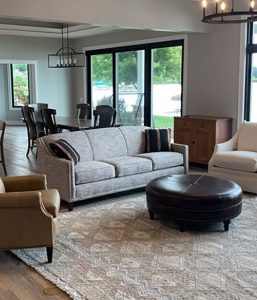
Now, if you’ve got one of those open concept layouts where your living room flows into the kitchen? Sectionals can be magic. They create a natural boundary between spaces without building walls or blocking sightlines.
This works especially well in Fort Wayne’s newer subdivisions where great rooms are common. The sectional basically says “this is the living area” within a larger space, and everyone understands where to gather.
Families That Actually Pile On Together
Some families naturally spread out when they’re home. Kids claim one end for homework, someone else curls up with a book on the other end, Dad stretches out in the middle with the remote. If this sounds like your household, a sectional gives everyone their own territory while keeping the family in the same general vicinity.
But be realistic here. If your family rarely hangs out in the living room all at once, you’re paying for extra seating that’ll mostly collect throw pillows.
You Love Having People Over
Game nights, book clubs, family birthday parties—sectionals handle crowds beautifully. Everyone can see each other, conversation flows naturally, and you’re not scrambling to find extra chairs when more people show up than expected.
Just don’t design your daily life around entertaining if you only host gatherings a few times a year.
When Regular Sofas Make More Sense
Despite what Instagram might tell you, plenty of living rooms work better with traditional sofas. 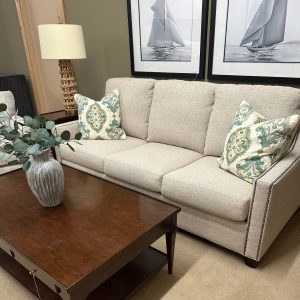
Weird Room Shapes
Sectionals are basically giant L’s, which means they work best in nice, predictable rectangular rooms. But lots of Fort Wayne homes—especially the older ones—have living rooms with quirky shapes, angled walls, or architectural features that get in the way.
Regular sofas are infinitely more flexible. You can angle them, float them in the middle of a room, tuck them into alcoves, work around fireplaces. They adapt to your space instead of demanding that your space adapt to them.
You’re a Furniture Rearranger
Some people get restless and like to switch up their room layout when the seasons change or when they’re just bored with how things look. Sectionals make this basically impossible—they’re too big, too heavy, and their shape limits where they can possibly go.
A sofa paired with chairs or a loveseat? You can create entirely different conversation areas just by moving things around on a Saturday afternoon.
Beautiful Details Deserve Attention
Fort Wayne has some stunning historic homes with built-in bookcases, gorgeous fireplaces, bay windows, crown molding—architectural features that took skilled craftspeople time and care to create. A massive sectional can overwhelm these details or block them entirely.
A well-proportioned sofa leaves breathing room for these elements to be appreciated while still providing comfortable seating.
You Prefer Grown-Up Entertaining
If your living room is where you have dinner parties, wine tastings, or other sophisticated gatherings, a sectional might feel too casual. There’s something about a thoughtfully arranged sofa with accent chairs that creates a more curated, elegant atmosphere.
The Stuff Nobody Warns You About
Beyond style preferences, there are practical realities that can make or break your satisfaction with either choice.
Getting It Through Your Front Door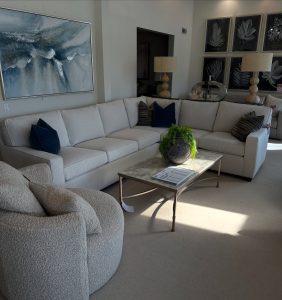
Here’s something furniture stores don’t always mention upfront: sectionals can be nightmares to deliver. Those older Fort Wayne homes with narrow hallways, tight staircases, and smaller doorways? We’ve had to partially disassemble sectionals just to get them inside.
Regular sofas might not be small, but they’re much more manageable when it comes to navigating tight spaces.
The Daily Maintenance Reality
Sectionals have more seams, more crevices, more places for crumbs and dog hair to hide. If you’ve got kids who eat snacks on the furniture or pets who shed, think about how you’re going to keep a large sectional looking good.
Traditional sofas are generally more straightforward to vacuum and maintain.
What Happens When You Move?
Life changes. Job relocations happen. Dream homes come on the market. Sectionals are much harder to fit into new spaces—what works perfectly in your current living room might be completely wrong for your next one.
A regular sofa gives you more options when life throws you curveballs.
Some Middle Ground Options
Can’t commit to either camp? Some manufacturers make modular pieces that can work as separate sofas or connect to form sectionals. Start with individual pieces and see how you use them. Add more later if you need them, or keep them separate if that works better.
Fort Wayne Homes Have Personalities
Where you live in Fort Wayne often influences what works best:
Those gorgeous historic homes downtown or in West Central often have more formal, smaller living rooms that were designed for individual furniture pieces. A sectional might overwhelm the careful proportions these houses were built with.
Mid-century homes in neighborhoods like Lakeside frequently have great rooms that welcome sectionals, especially if the living area connects to the kitchen.
Newer construction in places like Aboite typically features open floor plans where sectionals help define living spaces within larger areas.
How We Actually Help People Decide
When families come in completely torn between the two options, we skip the sales pitch and start asking practical questions:
Walk us through a typical evening in your living room. Who’s usually there? What are they doing?
When you have company over, what does that typically look like? How many people? Formal or casual?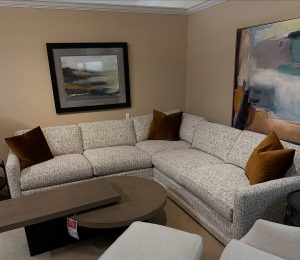
What bugs you most about your current seating situation?
How do you feel about the idea of your living room layout being basically permanent?
These answers tell us more than room measurements ever could.
No Universal Right Answer
We’ve furnished living rooms for three generations of some Fort Wayne families, and we’ve seen sectionals transform how families spend time together. We’ve also seen them make beautiful rooms feel cluttered and awkward.
The right choice is whichever one fits your actual daily life—not the life you think you should have, or the one you see in design magazines.
Come Try Both
Honestly, the only way to really know which feels right is to sit on actual furniture in realistic room settings. Our showroom has both sectionals and traditional sofas arranged so you can experience how each option functions, not just how it looks.
Bring your room measurements if you have them. Better yet, bring photos of your space and honest answers about how your family actually lives. We’ll help you figure out which choice will make you happy to come home every day.
Stop by our showroom at 5610 US 33 North to experience both sectionals and sofas in real room settings. No pressure, just honest guidance from people who’ve seen what works and what doesn’t.